Source Durable Rectangular Shoe Charms Storage for Clogs, Bags, and Hats
Find durable rectangular shoe charms storage solutions for 30 available items. Compare rubber, PVC, and metal options from Fujian suppliers. Evaluate sizes, colors, and MOQs to select the best fit for your clog, bag, or hat customization needs; compare the available evidence and request quotations based on your requirements.
Key considerations
Products List
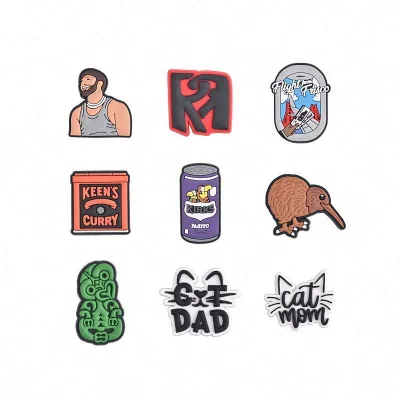
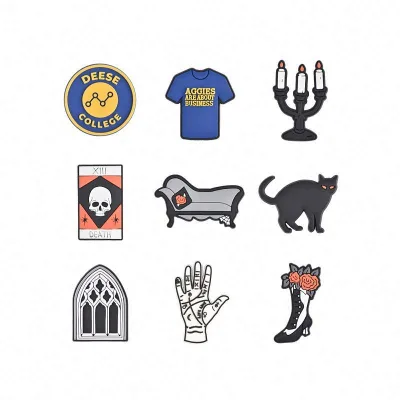
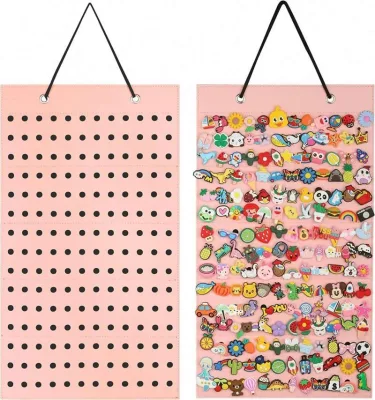
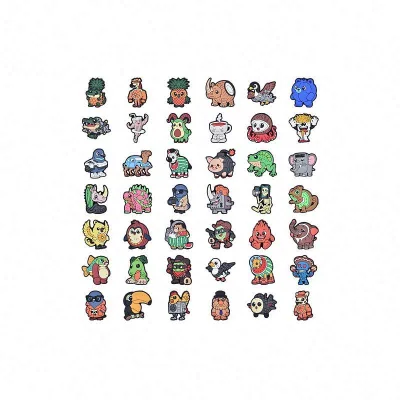


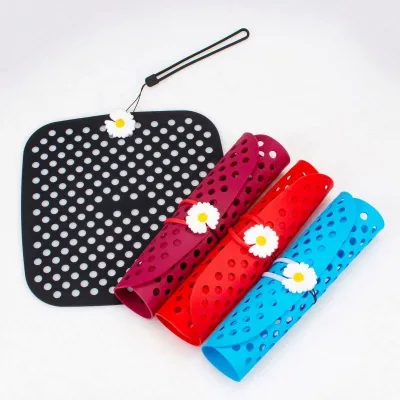

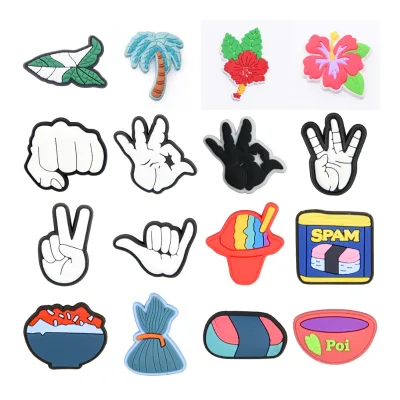
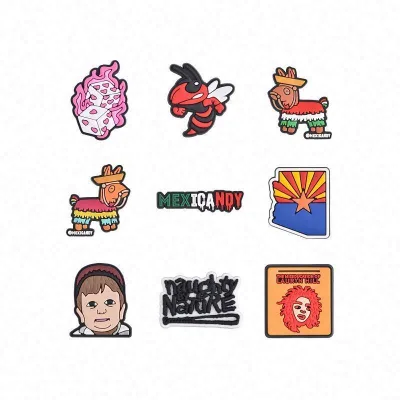
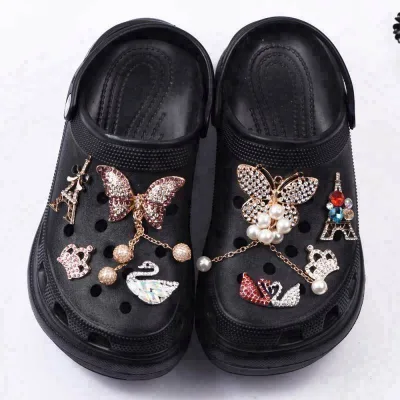


Comprehensive Sourcing Guide
Durable Rectangular Shoe Charms Sourcing Guide
The market for durable rectangular shoe charms focuses on versatile accessories designed for clogs, sandals, and casual footwear. Current listings indicate a strong preference for rubber and soft PVC materials, which offer flexibility and resistance to daily wear. Buyers should note that while the core keyword emphasizes durability, observed product attributes frequently highlight "Clog Charm" and "Shoe Buckle" styles, suggesting that rectangular forms are often integrated into these specific functional designs rather than existing as standalone rigid plates.
Procurement strategies must account for the diverse material compositions found in current supply chains, ranging from pure rubber to composite options involving metal and rhinestones. The observed product data reveals that while some items are marketed as "handmade," others are mass-produced with specific single package dimensions like 2x2x2 cm or 3x3x3 cm. Sourcing teams should verify that the rectangular shape requested aligns with the actual "charm" or "buckle" configurations available, as the supply often prioritizes decorative elements over purely structural rectangular storage solutions.
Product Scope and Observed Listing Signals
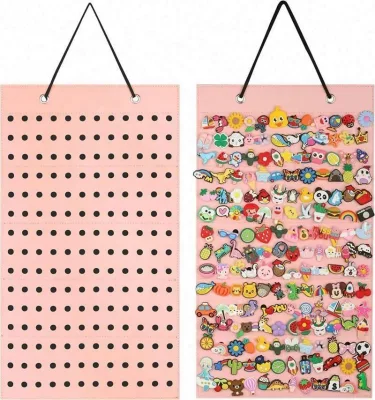
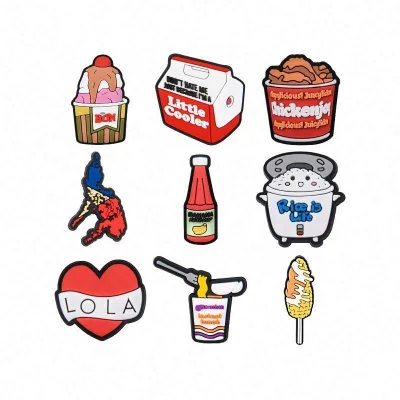
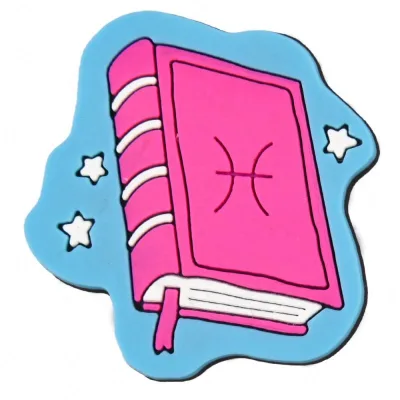
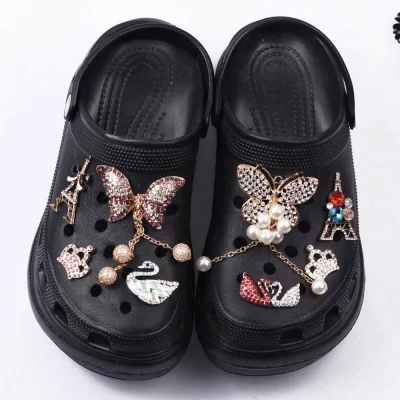
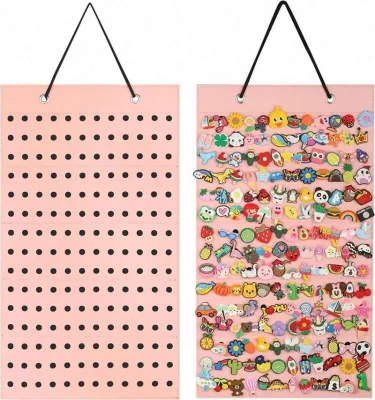
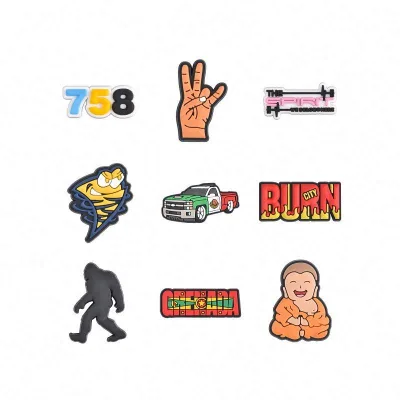
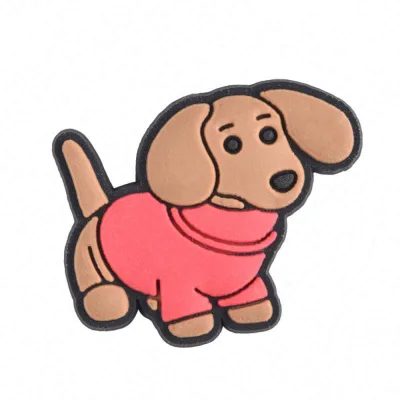
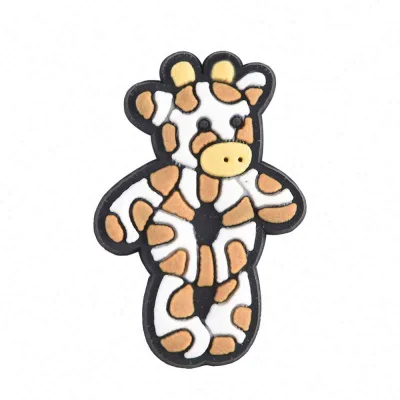
Buyers must distinguish between decorative charms and functional storage solutions, as the current market data primarily lists items intended for shoe ornamentation rather than storage. The observed product scope includes "shoe charms," "rhinestone shoe charms," and "PVC Clog Shoe Charms," with specific color codes and model numbers indicating a vast array of aesthetic variations. While the search term implies storage, the actual listings describe products used as "shoe decorations" or "shoe clips," meaning the rectangular form factor is likely a design choice for the charm itself rather than a container.
The commercial signals in the listings suggest a highly fragmented market with varying minimum order quantities, ranging from single pieces to 2,000 units. Suppliers often list "Customized" model numbers alongside standard trends, indicating that rectangular shapes may be available only through custom molding services. Procurement teams should expect to encounter a mix of "OEM" and "ODM" capabilities, where the rectangular design is adapted to fit specific shoe clips or buckles, rather than purchasing a pre-existing storage product.
Technical Specifications to Verify
Verification of material composition is critical, as the supply chain offers both rubber and soft PVC options with distinct performance characteristics. Buyers should confirm whether the rectangular charms are solid rubber or composite structures containing metal or glass components, as the latter may affect durability and weight. The observed data lists specific weights, such as 0.003 kg for rubber items and 0.008 kg for metal-rhinestone variants, which serves as a baseline for quality assessment and shipping cost calculations.
Dimensional consistency is another key technical parameter, with observed single package sizes varying between 2x2x2 cm and 3x3x3 cm. Since the core keyword specifies "rectangular," buyers must ensure the physical dimensions of the charm match the intended shoe clip or buckle mechanism. The "Size" attribute in listings often ranges from 2.5 to 3.5 cm, so procurement teams should request detailed technical drawings to confirm that the rectangular profile meets the specific fit requirements of the target footwear.
Compliance and Safety Documentation
Safety compliance is paramount when sourcing items intended for close contact with footwear, especially those used by children or in casual settings. While the provided facts do not list specific certification numbers, buyers should demand evidence of compliance with relevant regional safety standards for rubber and plastic toys or accessories. The presence of metal and rhinestone components in some listings necessitates verification that these materials are free from lead, cadmium, or other hazardous substances that could pose a risk during prolonged wear.
Documentation regarding the manufacturing process should also be reviewed, particularly for items described as "handmade" or custom-molded. Suppliers with a stated scope of business in "custom gifts and crafts" for over 15 years may have established quality control protocols, but buyers must explicitly request test reports for the specific materials used. Ensuring that the "soft PVC" or rubber meets flammability and chemical safety standards is essential to mitigate liability and ensure the product is safe for global distribution.
Cost Drivers and Commercial Terms
Pricing in this sector is heavily influenced by material complexity and the inclusion of decorative elements like rhinestones or metal buckles. The observed price range of 0.05 to 2.82 USD reflects the disparity between simple rubber charms and more intricate designs featuring glass or metal components. Buyers should anticipate that custom rectangular shapes or specific color matching will incur additional costs, as the "Mold fee refund" policy typically applies only to orders exceeding 10,000 pieces, making small runs significantly more expensive per unit.
Commercial terms regarding minimum order quantities (MOQ) vary widely, with some suppliers offering single-piece samples while others require orders of 10 pieces or more. The "sample time" of 3-5 days is a standard expectation, but lead times for bulk production can fluctuate based on the complexity of the rectangular design and the availability of specific color codes. Procurement teams should negotiate clear terms for mold fees and ensure that the refund conditions are explicitly written into the contract to protect against over-investment in tooling for lower-volume orders.
Supplier Qualification and Quality Control
Supplier qualification should prioritize manufacturers with demonstrated experience in custom gifts and crafts, as indicated by the "15 years" of business scope observed in the listings. A factory capacity of more than 300 workers suggests the ability to handle large-scale production, but buyers must verify that the specific production lines for rectangular charms have the necessary precision to maintain consistent dimensions. The "OEM & ODM" service offerings indicate flexibility, yet the buyer must ensure the supplier has a dedicated quality control team to inspect the "upper" logo position and overall finish.
Quality control protocols must address the specific risks associated with mixed materials, such as the detachment of rhinestones or the degradation of soft PVC over time. Buyers should request pre-shipment inspections that specifically test the adhesion of decorative elements and the flexibility of the rubber or PVC base. Given the "handmade" attribute of some listings, visual inspection for consistency in shape and color is essential, as manual processes can introduce variations that affect the final product's durability and aesthetic appeal.
Long-Term Procurement Checks
Establishing a long-term partnership requires regular audits of the supplier's ability to maintain consistent quality across different production batches. Buyers should implement a system for tracking defect rates, particularly for the "rectangular" shape which may be prone to molding inconsistencies if the tooling is worn. The "Mold fee refund" structure implies a long-term relationship, so maintaining open communication about design changes and material updates is crucial to ensuring the product remains competitive and durable over time.
Continuous monitoring of market trends is necessary, as the "new trend" model numbers suggest that consumer preferences for shoe charms evolve rapidly. Procurement teams should review the "Scope of business" and "Factory capacity" annually to ensure the supplier can scale production if demand for rectangular charms increases. Additionally, verifying that the supplier continues to offer a wide range of color codes and material options will help maintain product variety and prevent supply chain bottlenecks in the future.
FAQs
What materials are used for durable shoe charms?
Durable shoe charms are typically crafted from rubber, soft PVC, or metal combined with rhinestones. These materials ensure longevity and resistance to wear. Rubber and PVC offer flexibility for clogs, while metal and glass rhinestones provide a decorative, sturdy finish for various footwear applications.
Can I customize the logo position on shoe charms?
Yes, you can customize the logo position, typically on the upper part of the charm. OEM and ODM services are available for branding. This allows businesses to place their logos effectively, ensuring visibility and brand recognition on the final product while maintaining the charm's structural integrity.
What is the MOQ for ordering shoe charms?
The MOQ varies by product type, ranging from 1 piece for samples to 10 pieces for standard orders. Some items may require higher volumes. Mold fees are often refunded when ordering more than 10,000 pieces, making bulk purchases more cost-effective for large-scale customization projects.
How long does the sample time take?
The sample time is generally 3 to 5 days. This allows for quick turnaround to verify design, material, and quality before committing to a larger order. Buyers can use this period to assess the charm's durability and aesthetic appeal, ensuring it meets their specific sourcing requirements.
Where are these shoe charms manufactured?
These shoe charms are manufactured in Fujian, China. The factory has a capacity of more than 300 workers, ensuring consistent production capabilities. This location supports efficient supply chain management and reliable delivery schedules for international buyers seeking durable and customizable footwear accessories.
What sizes are available for shoe charms?
Shoe charms are available in various sizes, including 2.5-3.5cm for standard charms and specific dimensions like 31x55cm or 37x52cm for larger decorative items. Single package sizes are typically compact, such as 2x2x2 cm or 3x3x3 cm, facilitating easy storage and shipping.